I built and lead the Lahore team that now designs almost everything Evo9x sells. More than 2,000 orders have passed my quality check on the way to print. Only 0.6% needed a reprint.
3 → 8Designers, built and led
72 → 48Hours from request to client approval
0.6%Orders that needed a reprint
The brief
Evo9x is a US company that designs and produces custom sports uniforms, jerseys and apparel for schools, universities, companies and sports leagues across 10+ sports.
In October 2024, Evo9x hired me as Lead Designer to build an overseas design hub in Pakistan. The goal was a team that could take over the company’s design workflow, scale capacity and reduce costs, without slowing down customers or lowering print quality.
Custom uniforms are precise, high-stakes products. Every order involves client revisions, strict template limits, exact colour matching, and print files that have to be flawless before they reach the factory. The new team had to meet the same bar as the US team.
StaffNo. 01
Client
Evo9x, USA
Role
Lead designer, branding & apparel
Year
Oct 2024 → now
Team
8, including me (grown from 3)
Tools
Illustrator, Photoshop, Nano Banana
Result
72 → 48 hr mockups · 0.6% reprints
What I did
Hiring & training
Workflow design
Request & order systems
Quality control
Pre-press
Apparel design
Built to be printed
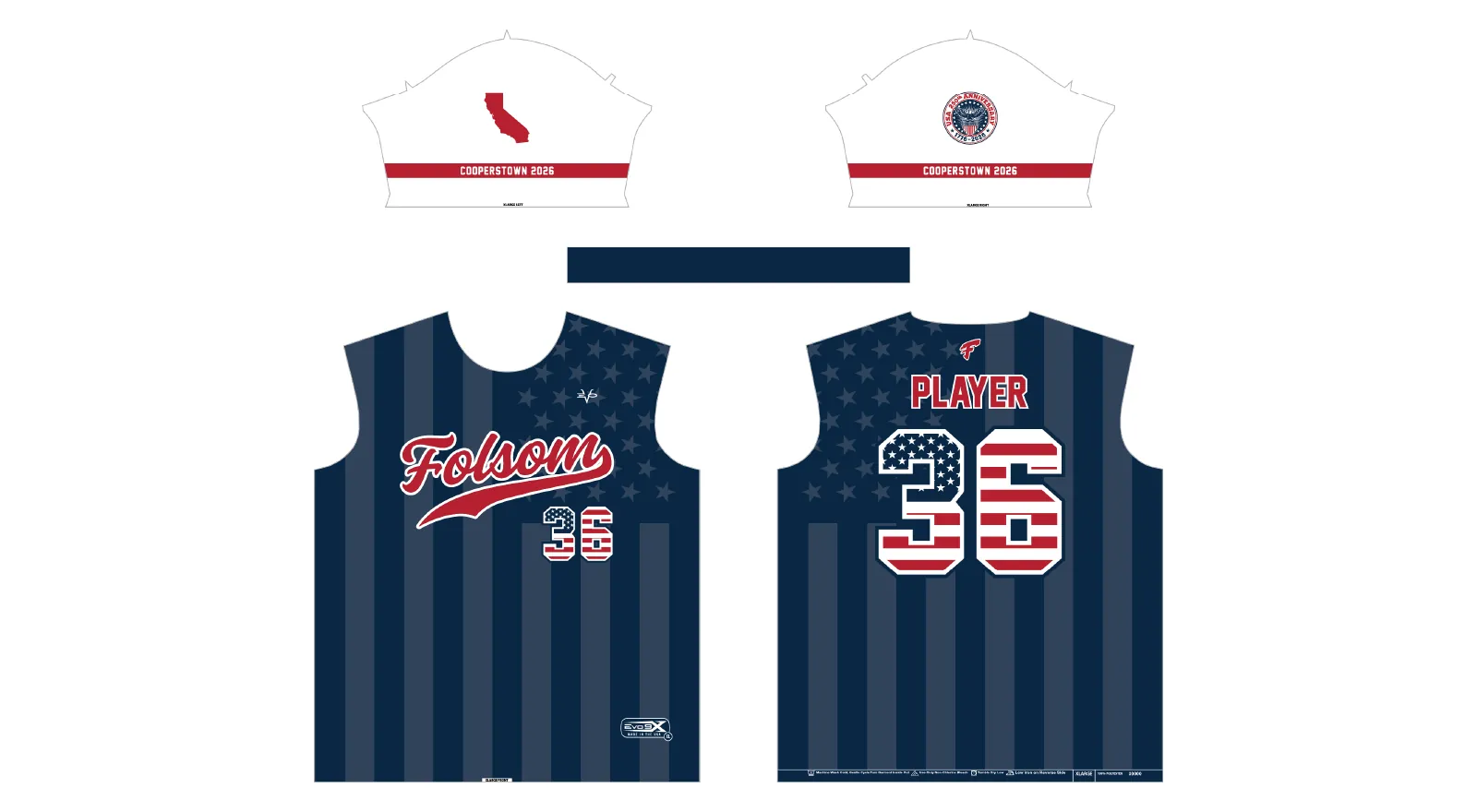
Alongside leading the team, I still design. The 2D designs and print files are mine; the 3D product mockups were made by my team. A jersey can look right on screen and still fail on the press, so the print file is where the real design work happens.
1
On the jersey
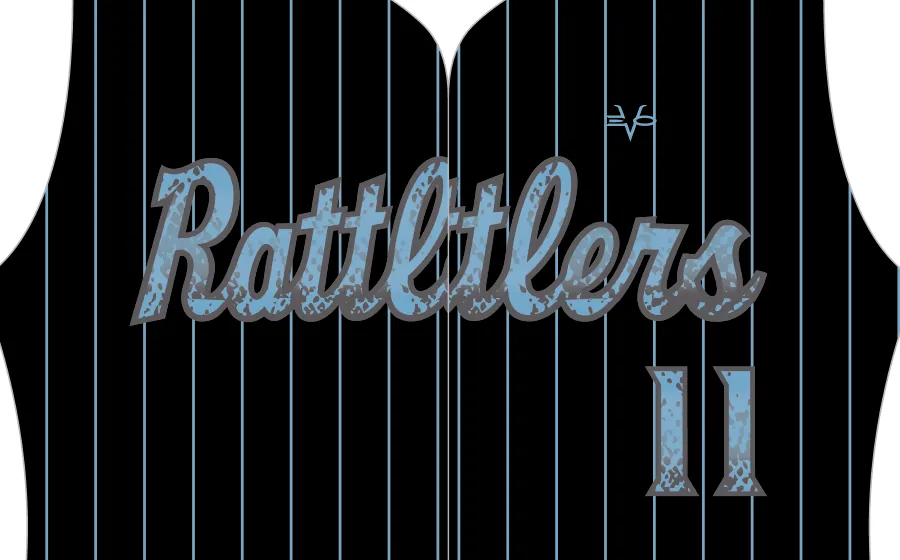
3-inch overlapIn the print file
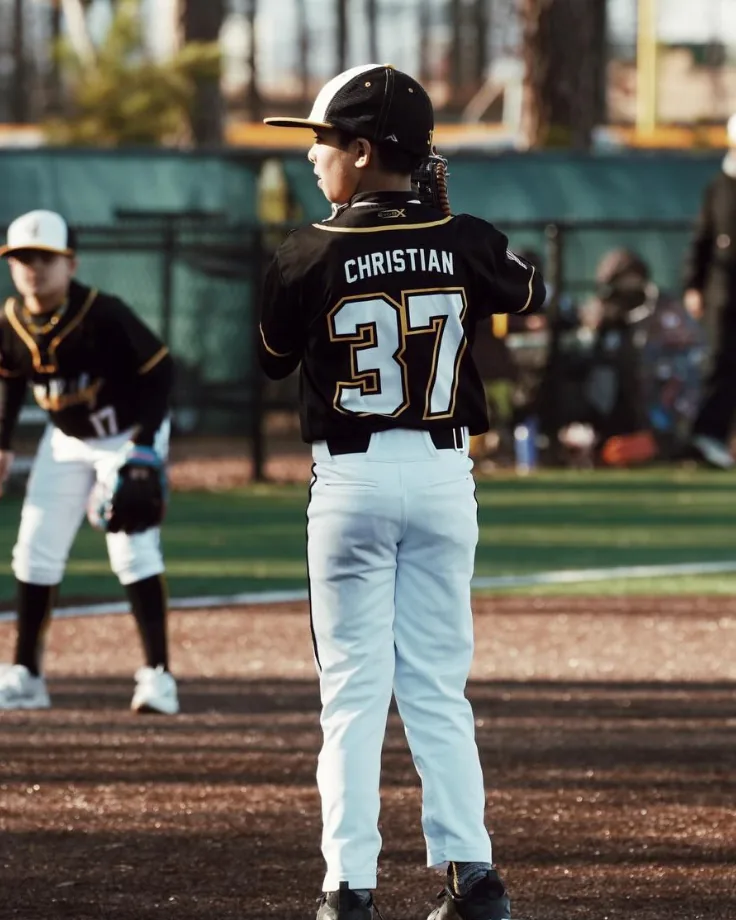
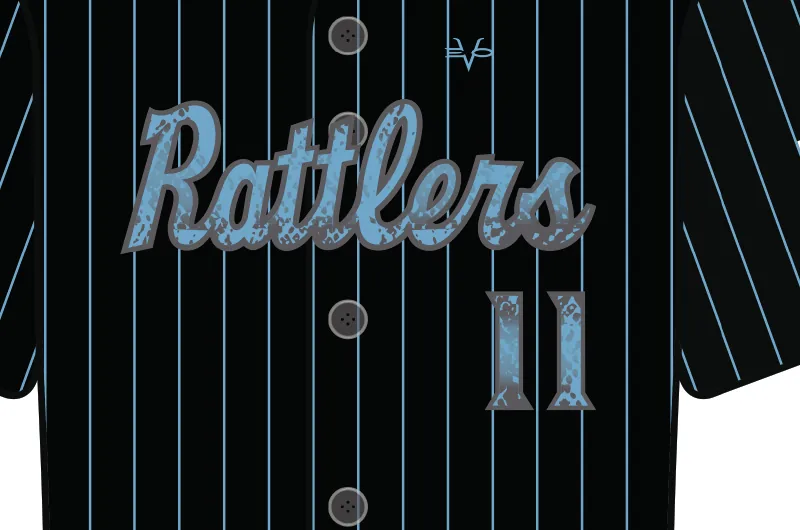
Full-button baseball jersey
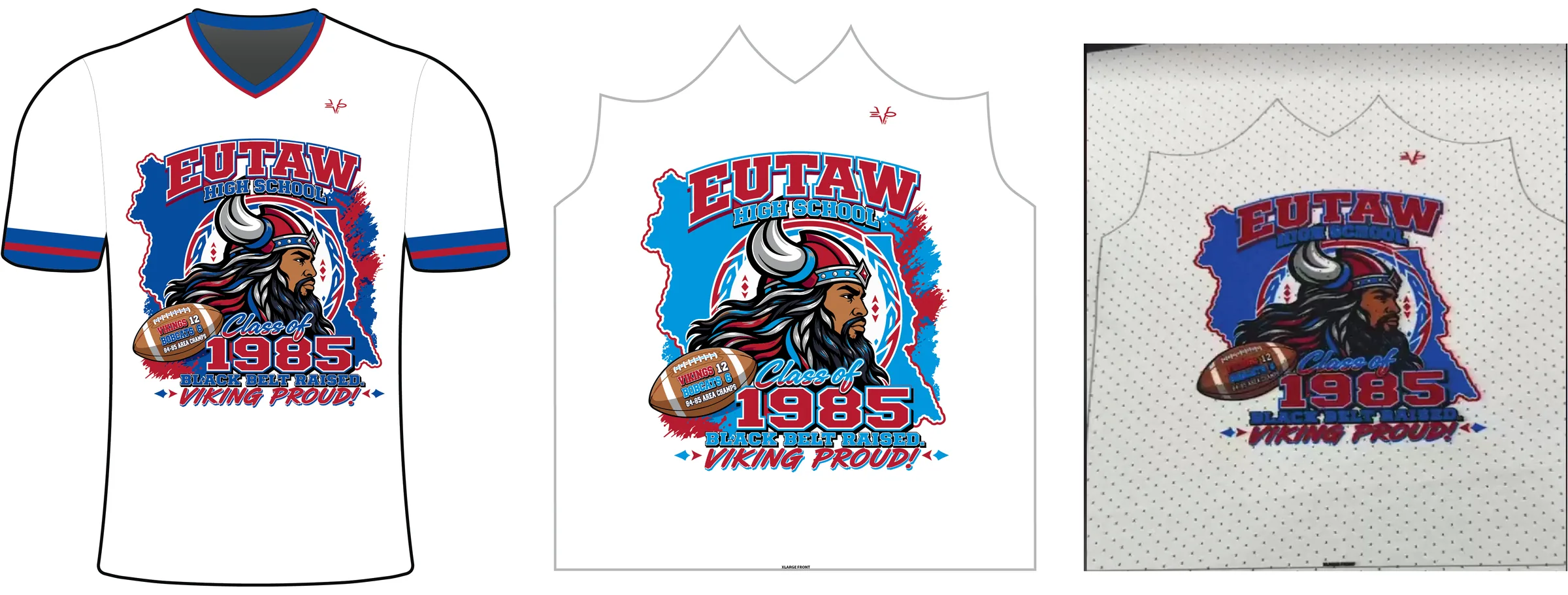
Arizona Rattlers. The two front panels overlap by three inches so the logo lines up across the button placket once sewn. That’s why the print file says “Rattltlers”.
2
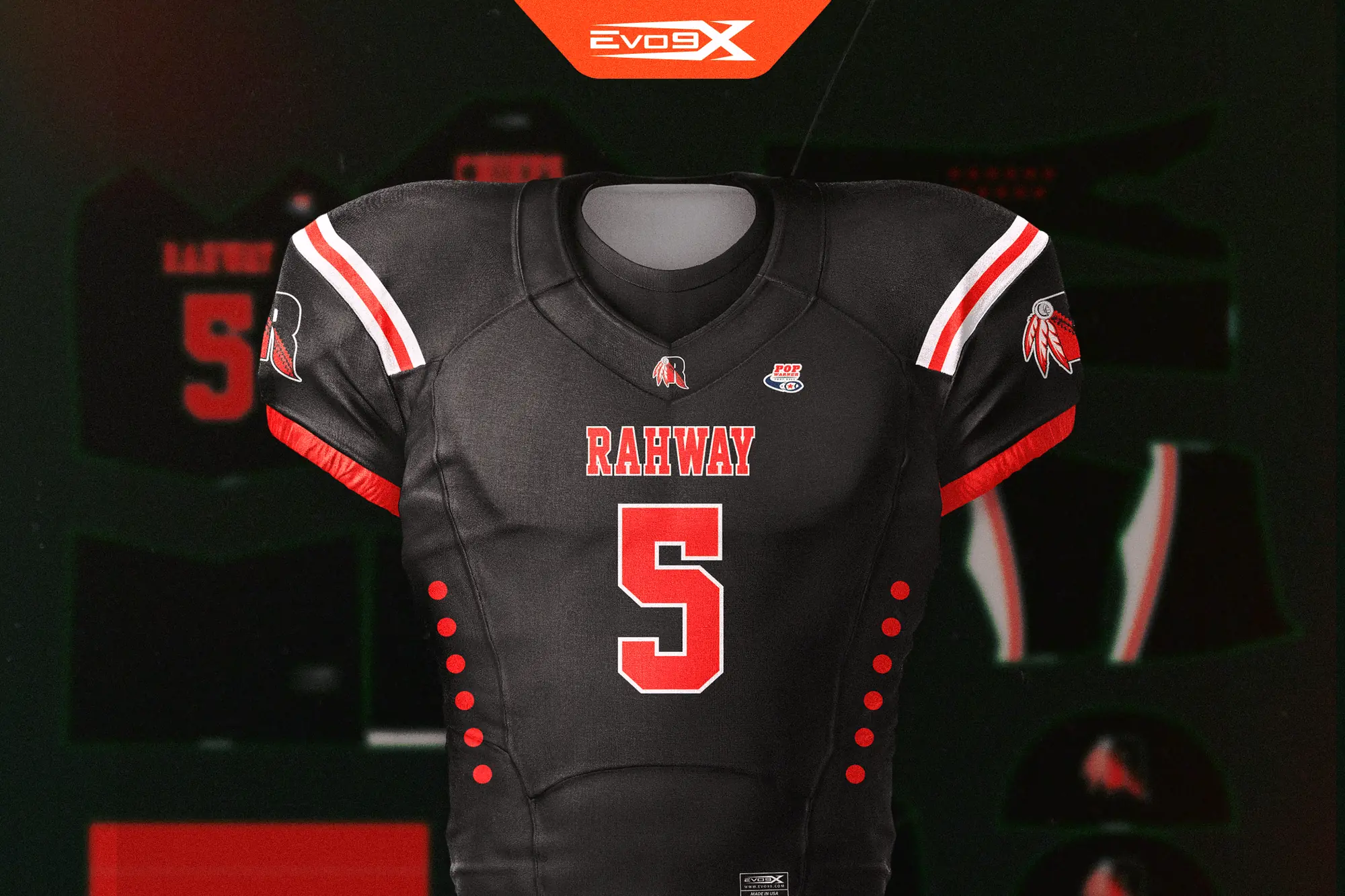
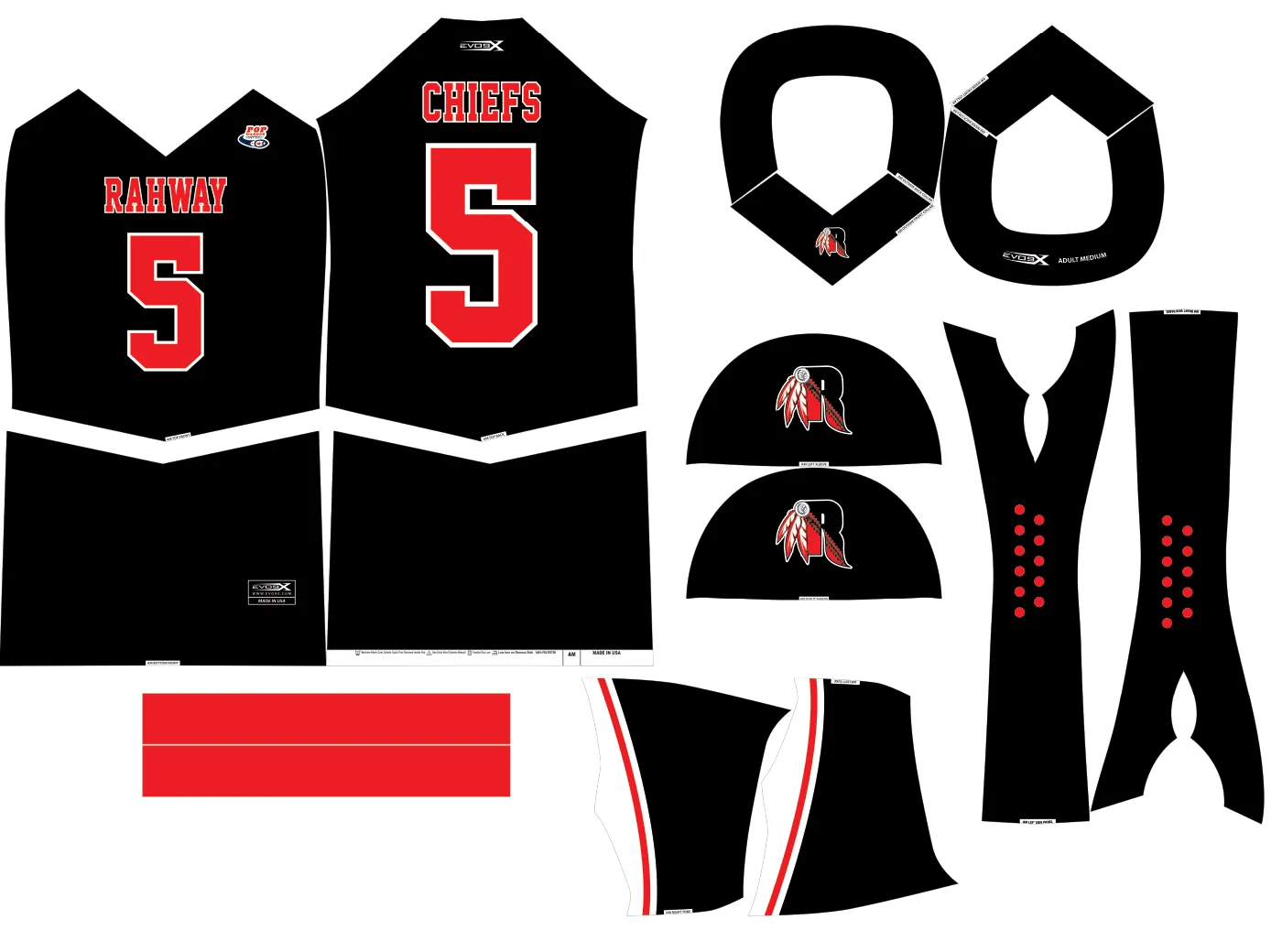
10 panels, printed flat
D1 10-panel football jersey
Rahway Chiefs. Each of the ten panels is printed separately, then cut and sewn into one garment, so every stripe and number has to meet at the seams.
3
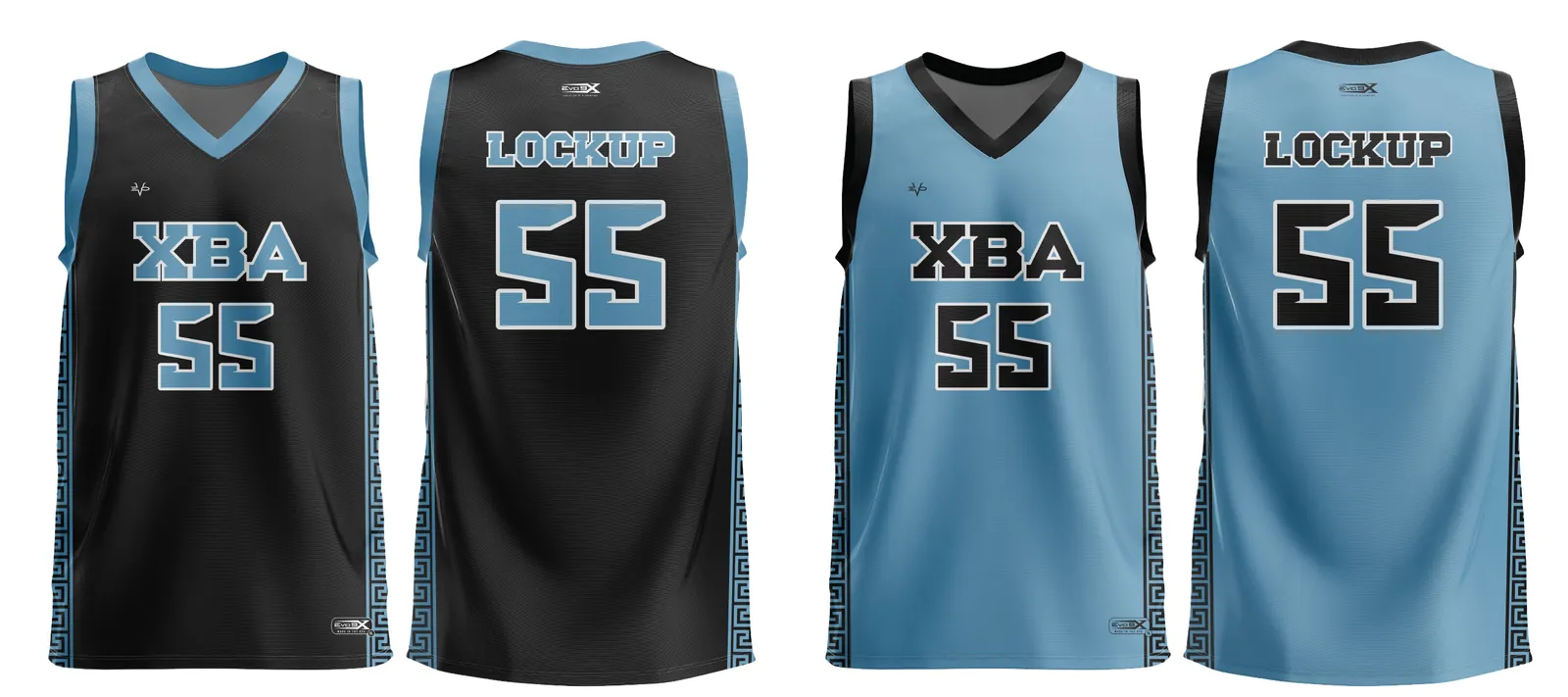
Side A / Side B
Reversible basketball jersey
XBA. A v-neck with two complete designs, one on each side, that still have to work as a single garment.
From AI requests to print
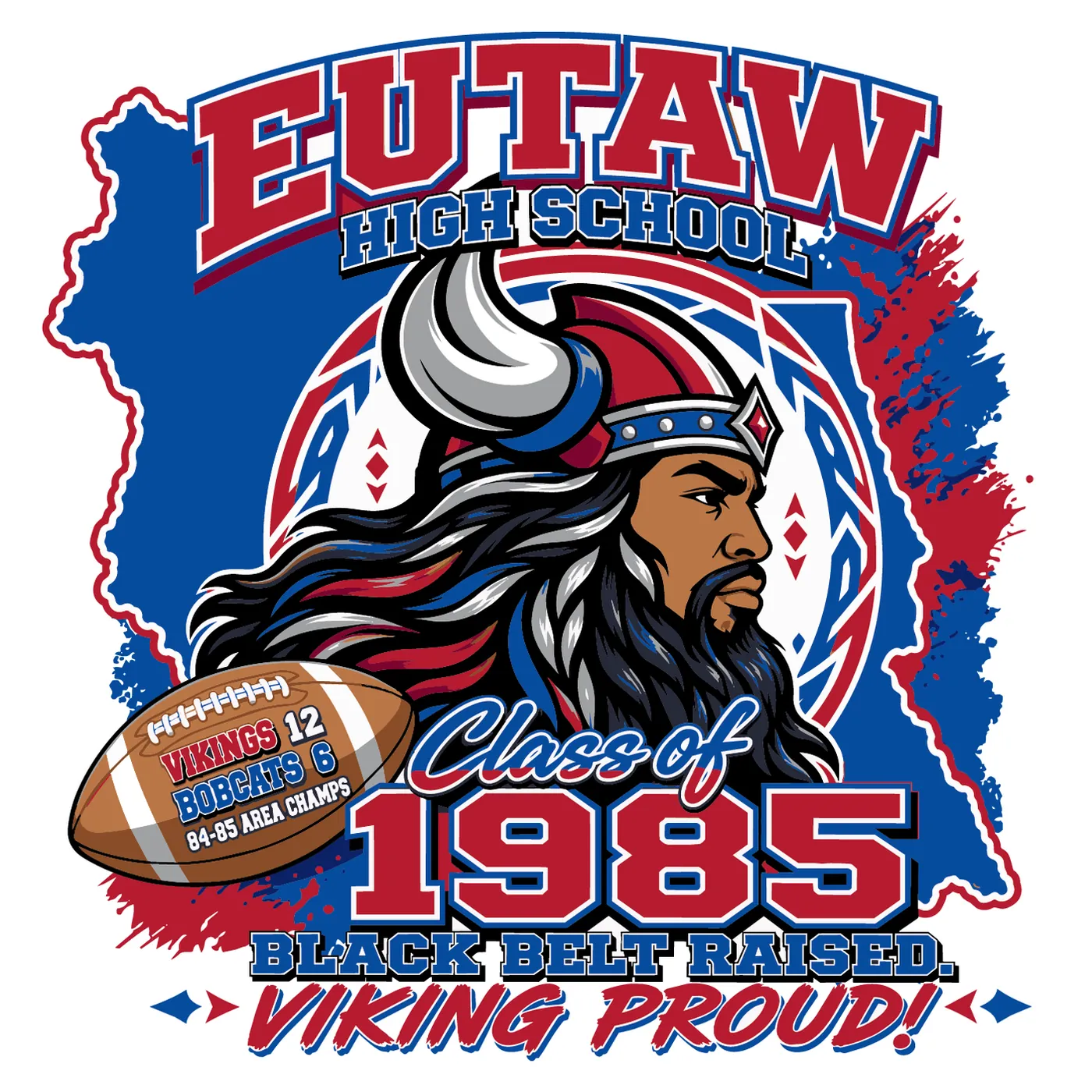
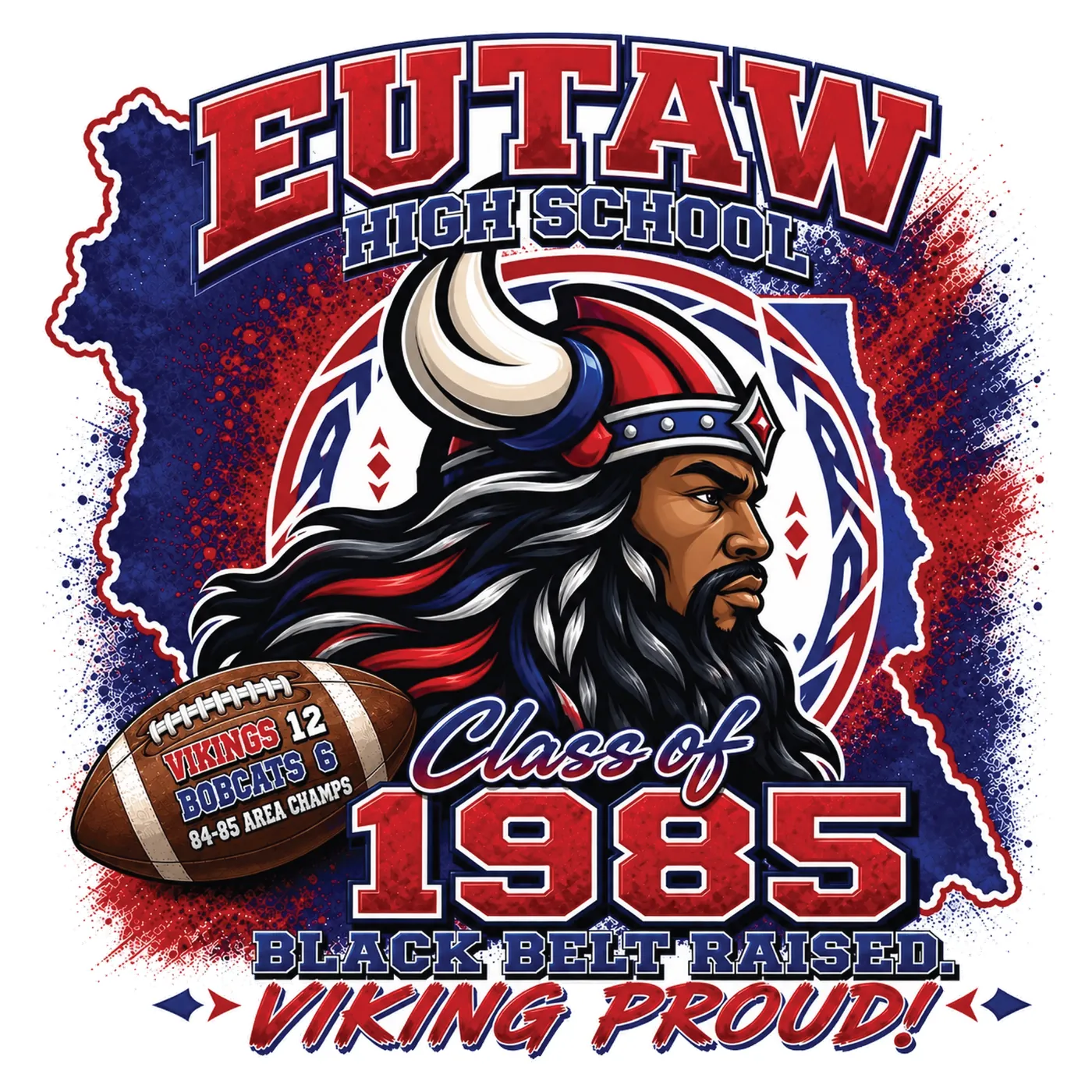
More and more customers started arriving with designs they’d made with AI image tools. They loved them. But the files weren’t print-ready. Sublimation needs clean vector artwork, and AI images come as flat pixels with blurred edges, muddy colours and far too much detail. Redrawing each one by hand took hours away from every other order in the queue.
So I built an AI-assisted workflow. We use Nano Banana to pull the design out of the customer’s image, then rebuild it in Illustrator as clean artwork that holds up in print. The customer keeps the design they chose. We get artwork we can control.
AI requests stopped holding up the queue. Sales started pitching it to customers, and it became a standard part of how Evo9x handles custom designs.
Customer’s AI imageOur rebuild‹ ›
← drag to compare →
Then the usual path: approved mockup, print file with colours adjusted for sublimation, and the test print I check before the full run.
Revision cycles
Every mockup goes through rounds of feedback with sales and the client on Slack before it becomes a print file. The work is keeping each round focused: change one thing, explain why, get closer to a yes.
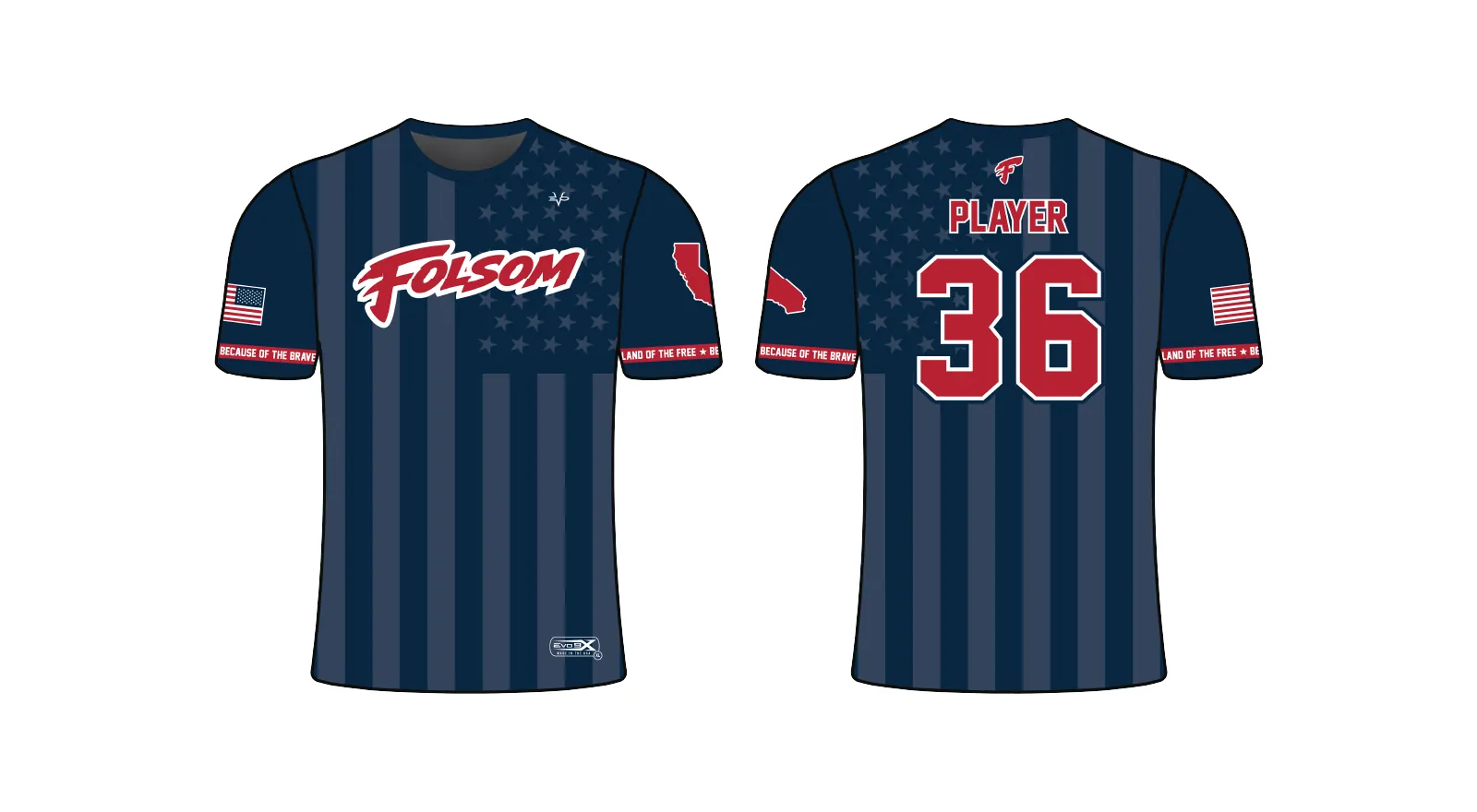
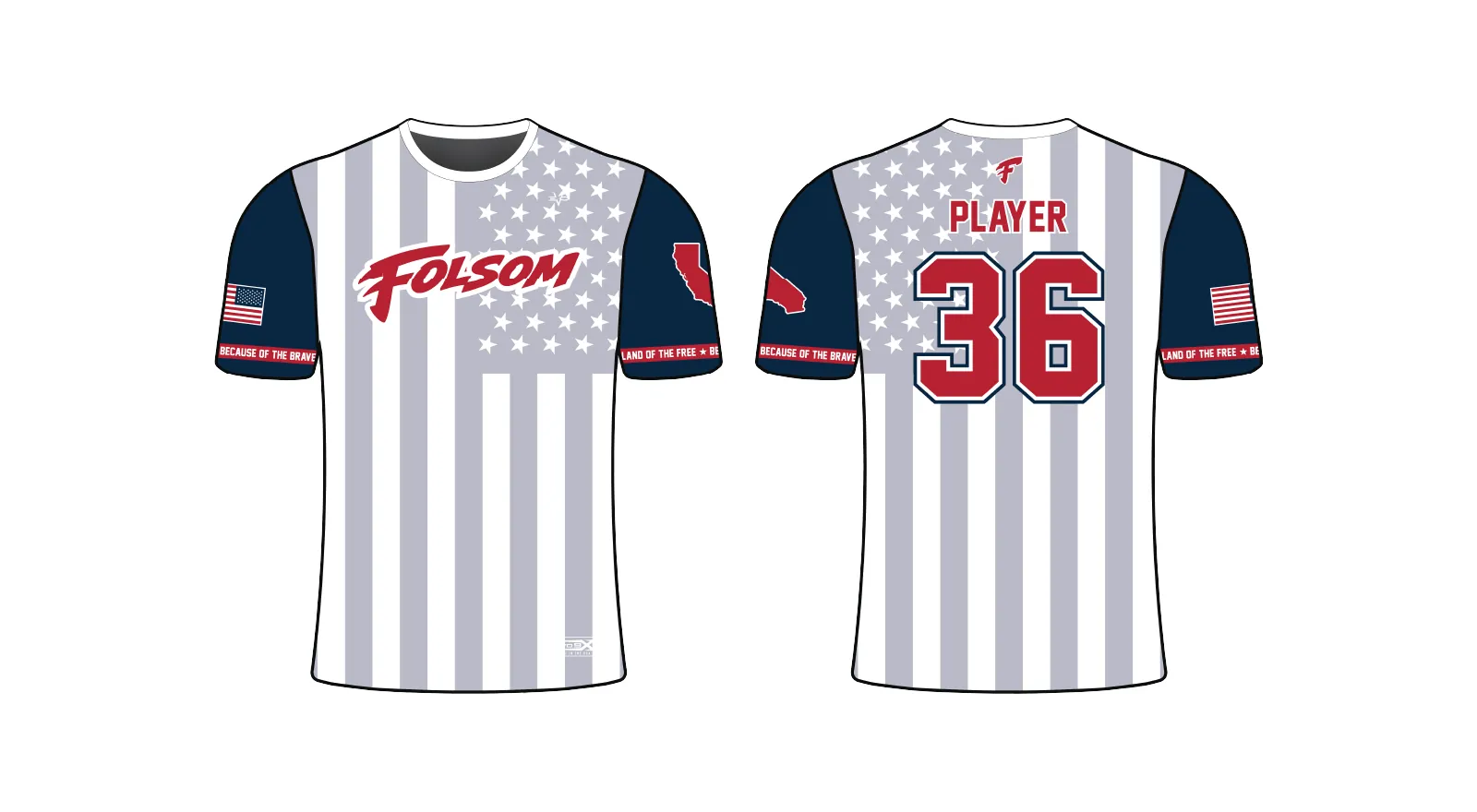
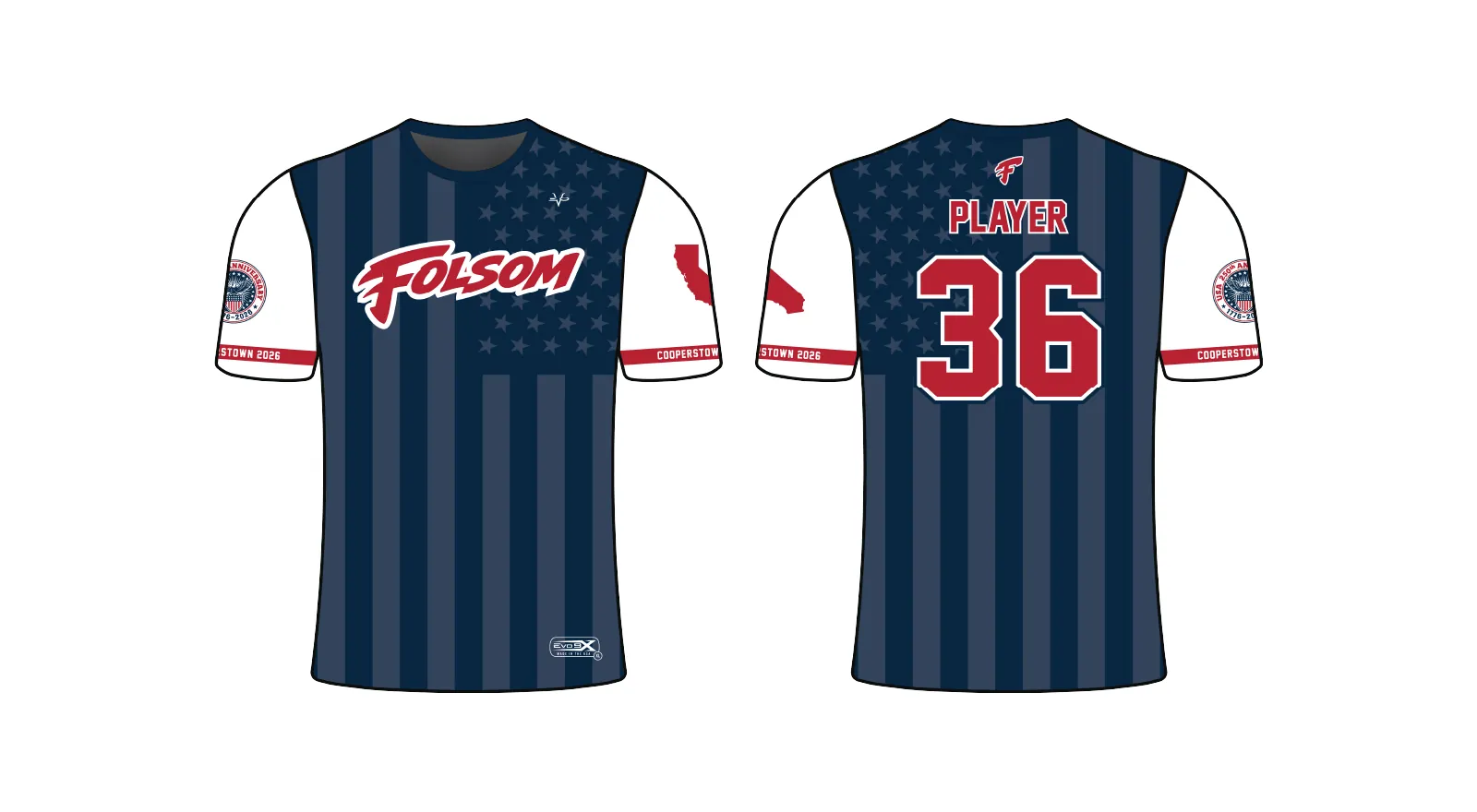
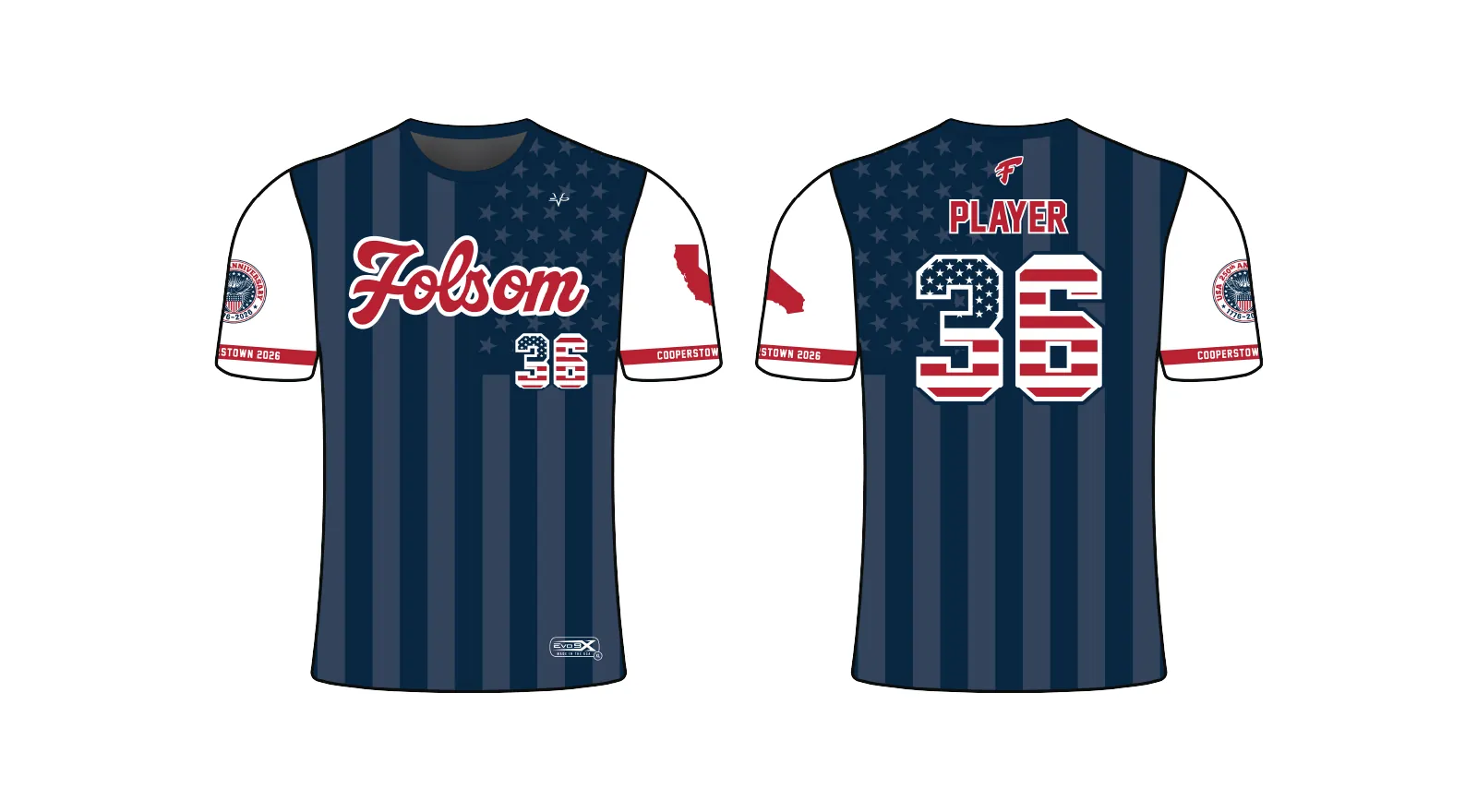
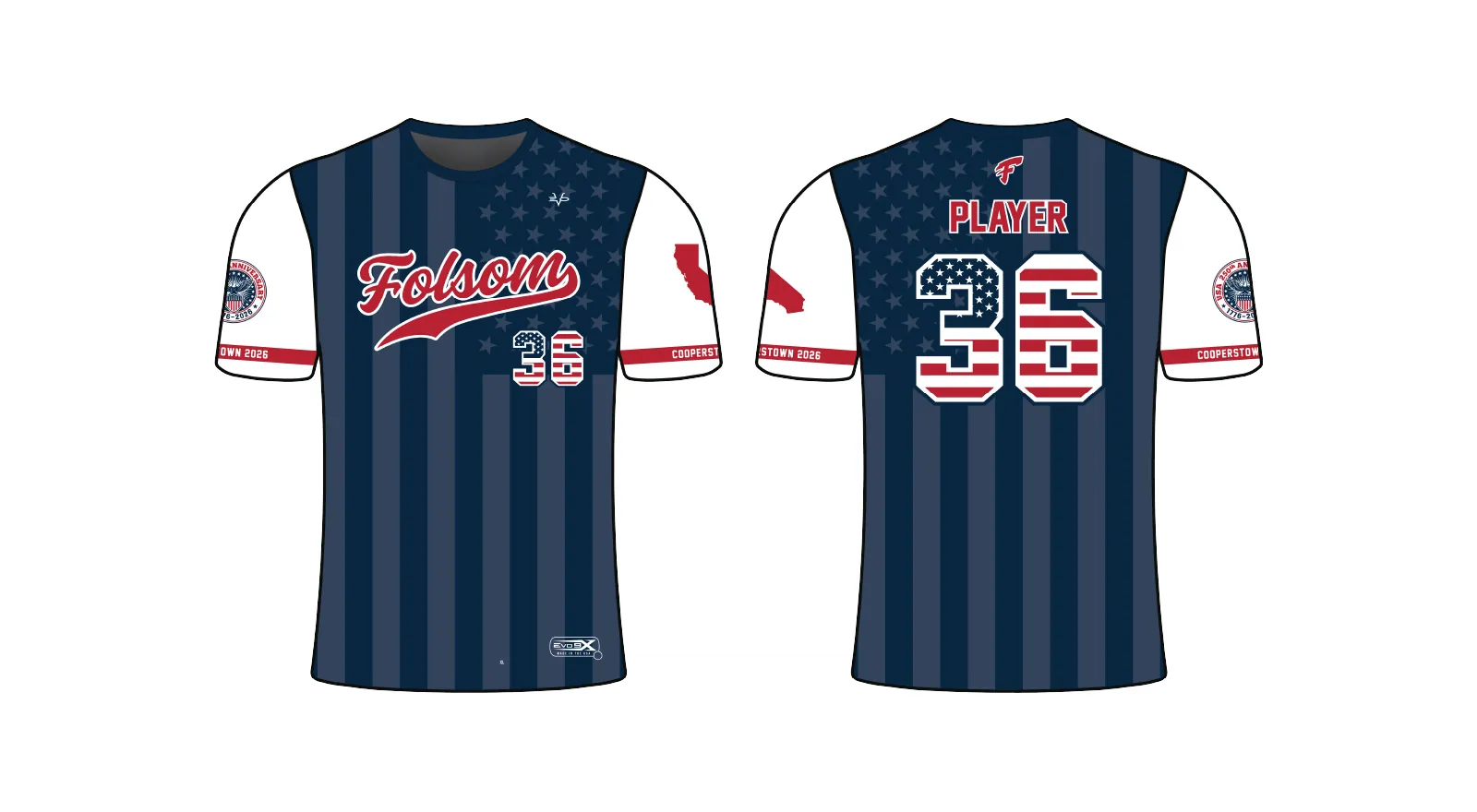
Folsom’s Cooperstown 2026 jersey took five rounds. Step through them.
V1: Flag-pattern base and a block wordmark set the patriotic direction.
2,000+ orders. Real teams, real games.
None of it reaches the field without the pipeline behind it. That part I built from scratch.
The shift
When I joined, Evo9x already had three junior designers in Pakistan, but they only touched one step: layout. Brief, mockups and master print files all sat with the US design team.
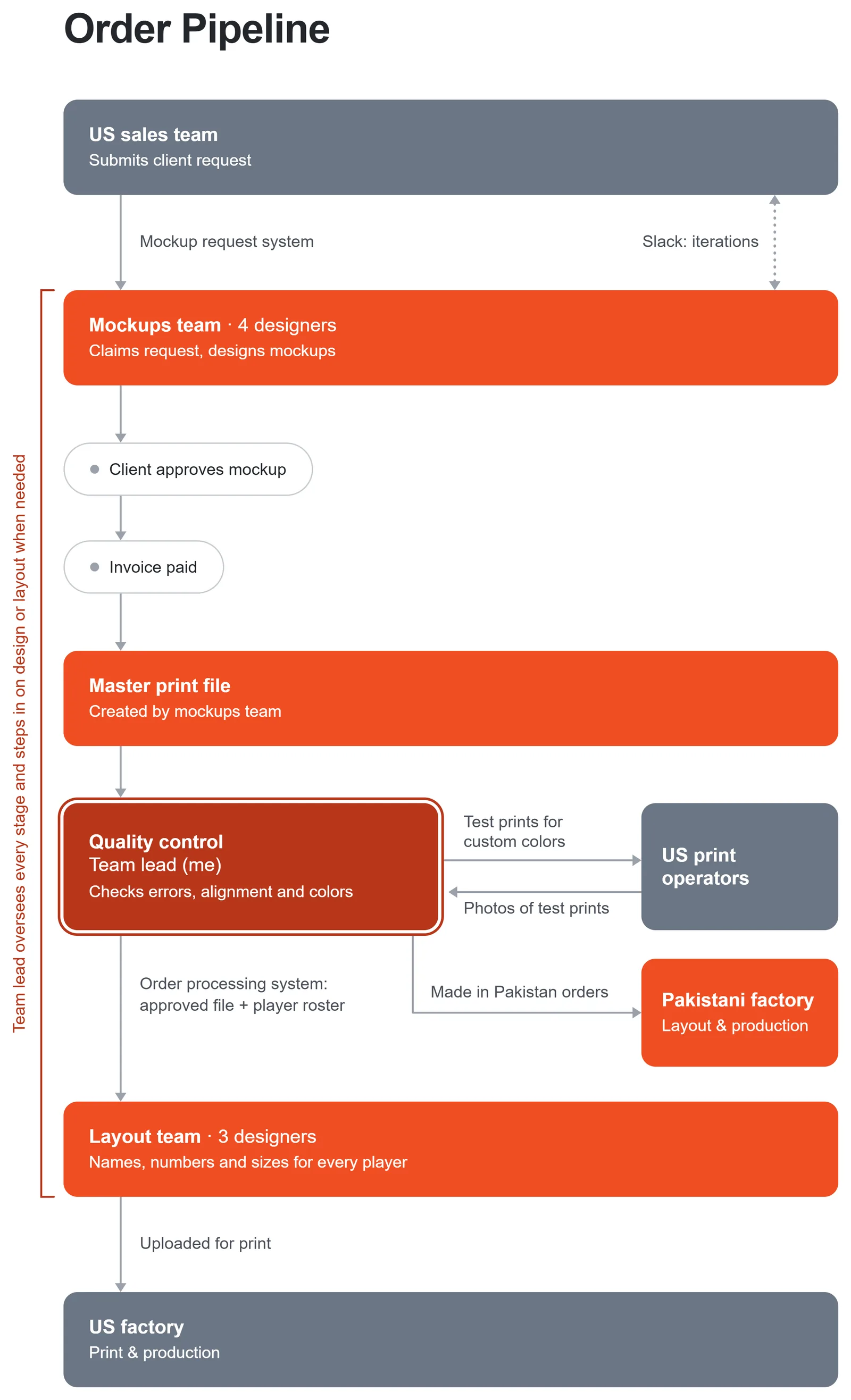
Today the Pakistan team owns every design step, from picking up a new request to handing a finished layout to the print team. US sales still talks to the client. The US factory still prints. Everything in between happens in Lahore.
1of 5 design steps in Lahore
01Brief
US sales → US design team
US salesUploads to the mockup request system
Pakistan mockups teamSelf-assigns
02Mockups
US design team
Pakistan mockups teamIterating with US sales on Slack
03Master print file
US design teamCreates the master file, sends it to Pakistan
Pakistan mockups teamCreates it → I review and approve
04Layout
Pakistan designersThe only offshore step
Pakistan layout teamWith the player roster
05Print
US print team
US print team
USPakistan
Building the hub
It happened in three phases, with the old process running the whole time, so customers never felt the switch.
1Learning the system
For my first two months I worked closely with Evo9x’s US designers and leadership to learn the process end to end: taking a customer’s brief, iterating mockups until the customer is happy, building the master print file and laying it out for production. The three existing designers kept doing what they already did well, so nothing slowed down.
2Building the team
While learning, I was interviewing. I hired four designers and chose fit over speed:
Two from a Pakistani sportswear manufacturer, with hands-on sublimation experience.
One former Evo9x designer who already knew the product.
One fashion designer, for a trend-driven eye.
Within 4–5 months, the Pakistan team had taken over almost all of Evo9x’s design work.
3Connecting two continents
With the team running, the next problem was the timezone gap. I worked with Evo9x’s IT team to design two systems that link the Lahore design team to the US sales team, so nothing depends on someone being awake at the same time.
From the mockup guide the team trains on. I trained everyone on Evo9x’s SOPs: the templates and limits of each jersey style, what can’t be printed, how designs become master print files, and colour proofing. Shades of blue are the hardest to match in print.
How it runs today
Mockups teamTakes each request from brief to client approval, then builds the master print file once the invoice is paid.
Quality control (me)Every master print file passes through me before production. I check for errors, misalignment and wrong colours. For custom or colour-heavy designs, I send test prints to the operators at the US factory and review photos before approving.
Layout teamLays out approved files with each player’s details, and the order goes to print at the US factory.
Two systems hold it together: a mockup request system, where designers claim new requests themselves, and an order processing system, where every paid order arrives with the approved mockup and the full player roster. Mockup approval dropped from 72 to 48 hours.
Made in Pakistan orders go straight from my approval to the Pakistani factory.
Team stores
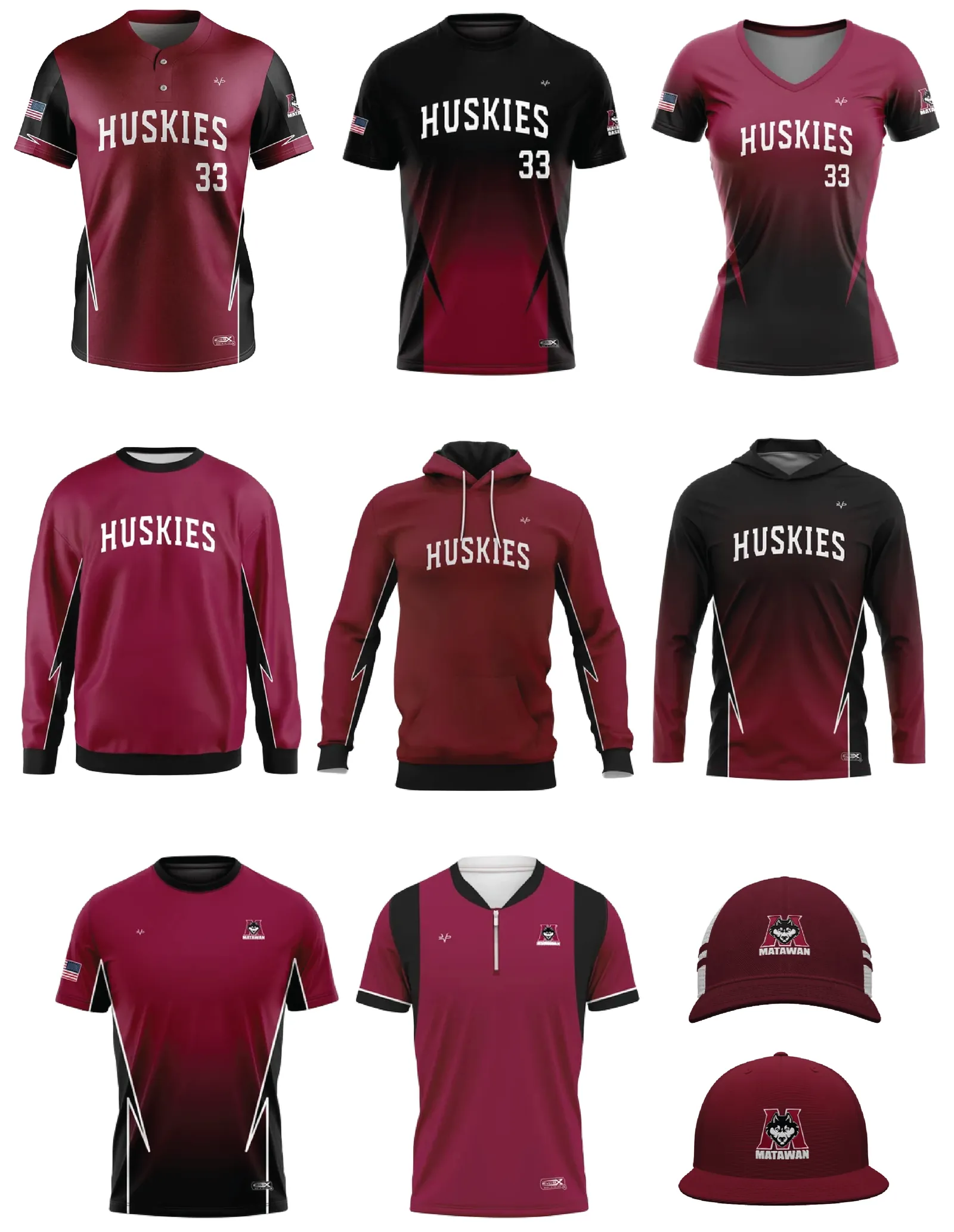
Beyond single uniforms, I design complete team stores: one identity carried across game wear, training gear, outerwear and fan merchandise.
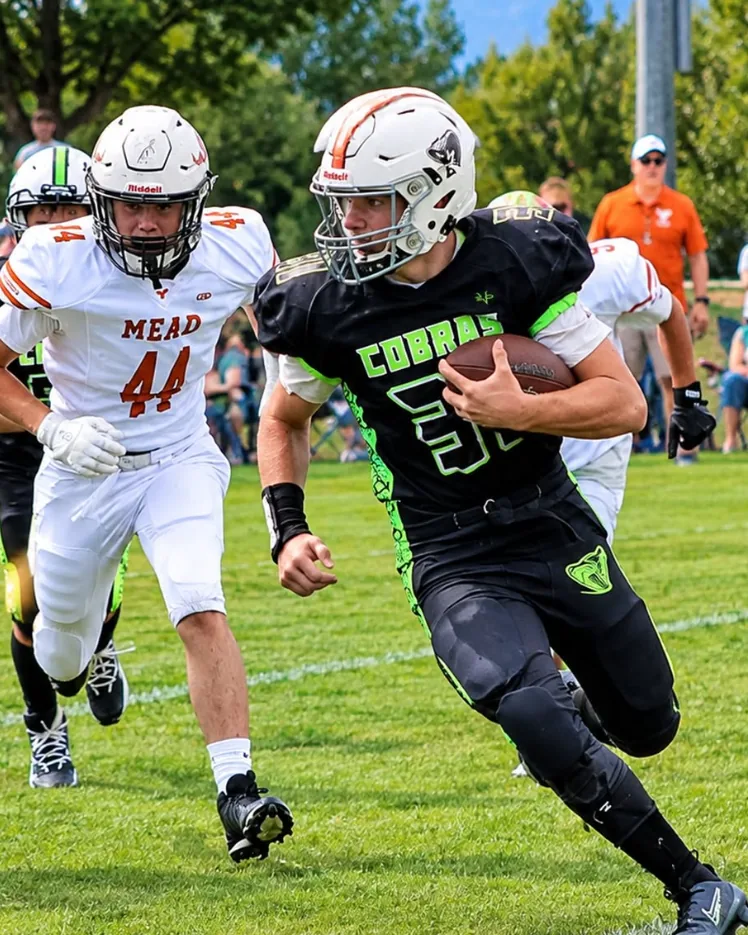
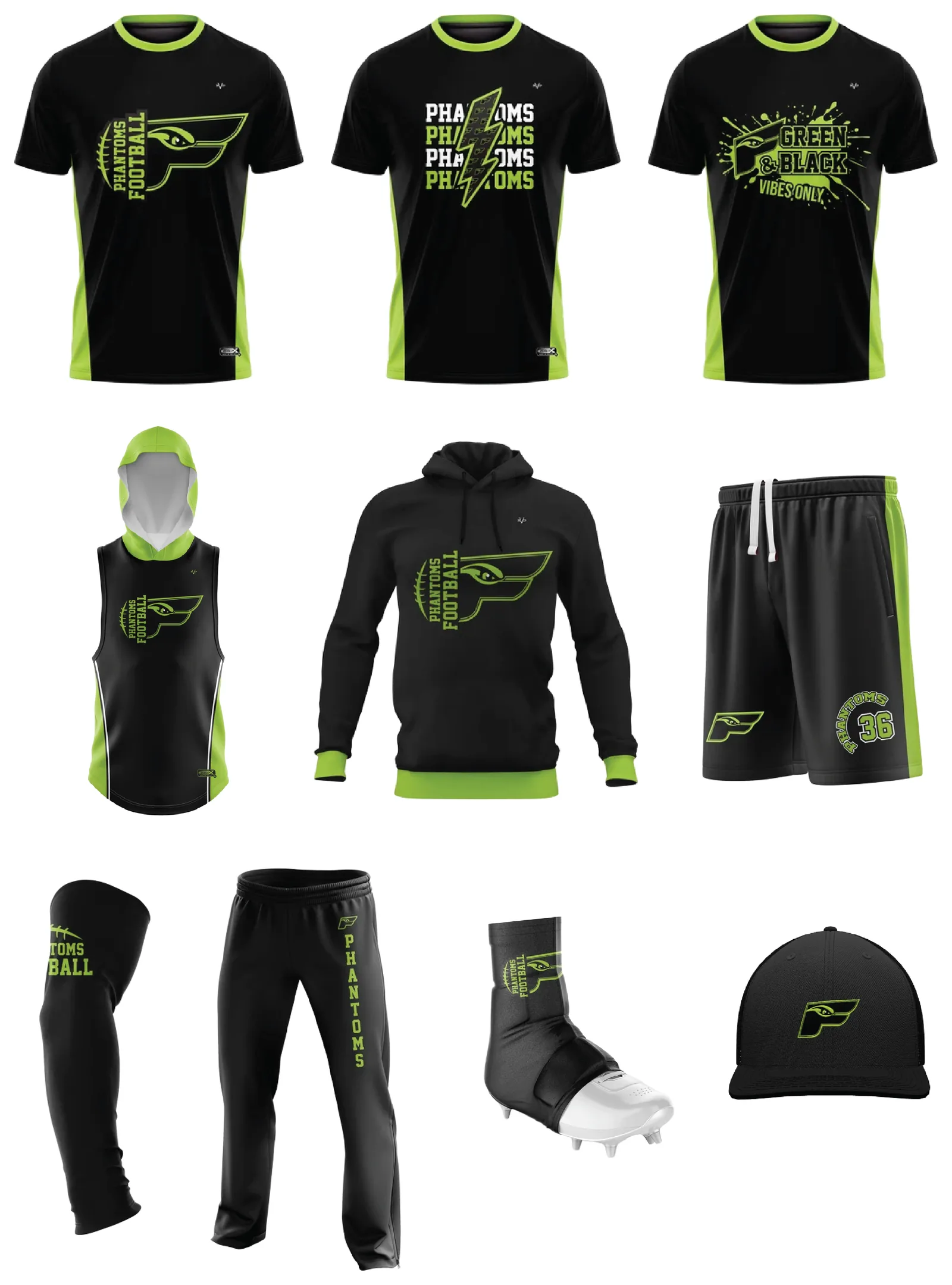
Matawan Huskies, baseball. Game-day uniforms, coaching outerwear and fan gear in one system, built on gradients and angular side panels.Freeport Phantoms, football & cheer. A full head-to-toe range inspired by streetwear graphics, with neon lime on deep black.
Results
3 → 8Design team built and led
72 → 48Hours from request to client approval
−50%Revision cycles per mockup
2 wksMockup to print, every order
2,000+Orders taken from mockup to print
0.6%Orders that needed a reprint
In two years, Evo9x’s design operation went from a US-led process with offshore support to a Pakistan-based hub that owns almost all design work, from first mockup to print-ready file.
The hub has produced 3,000+ mockups and taken 2,000+ orders from mockup to print across 10+ sports. Only 0.6% needed a reprint.
 Customer’s AI imageOur rebuild